Spring Garden Ideas for Beginners (Start Small, Grow Big)
First spring garden? These beginner-friendly ideas help you start with confidence — from easy plants to raised beds, containers, and simple tools.
Every gardener starts somewhere. Usually it’s a few seeds that didn’t germinate, a plant that died in suspicious circumstances, and the dawning realization that gardening is more complicated than it looked on Instagram. Then, somehow, something grows — and you’re hooked.
If this is your first spring with a garden (or a balcony, or even just a windowsill), this guide is for you. The goal isn’t to do everything at once. It’s to pick one or two things, do them well, and build from there.
Start With Containers — They’re Forgiving
The biggest mistake beginners make is going straight to a large garden bed before they understand how plants behave. Containers are more forgiving: they drain better, warm up faster in spring, and are easy to adjust.
Start with three to five large containers (at least 12 inches wide — bigger is better for most plants). Choose good quality potting mix, not garden soil, which compacts badly in pots.
Best plants for spring containers:
- Pansies and violas — frost-tolerant, colorful, long blooming
- Lettuce and spinach — fast-growing, edible, perfect for early spring
- Herbs (basil, parsley, chives) — practical and beautiful
- Petunias — low maintenance, bloom all season with deadheading
The Easiest Edibles to Grow from Seed
If you want to grow food, spring is the right time to start. These are genuinely easy — they don’t require much space, they grow fast enough to be rewarding, and they’re hard to kill.
Radishes: Fastest crop you can grow — ready in 3-4 weeks. Sow directly into soil or a container, thin to 2 inches apart, water regularly.
Lettuce: Direct sow or start indoors. Harvest outer leaves as you need them (called cut-and-come-again) and the plant keeps producing.
Peas: Love cool spring weather. Plant against a trellis or fence — they’ll climb naturally. Sweet, satisfying, and kids love picking them.
Nasturtiums: Technically a flower but entirely edible — leaves, flowers and all. Brilliant orange and yellow, zero effort, great in salads.
Consider a Small Raised Bed
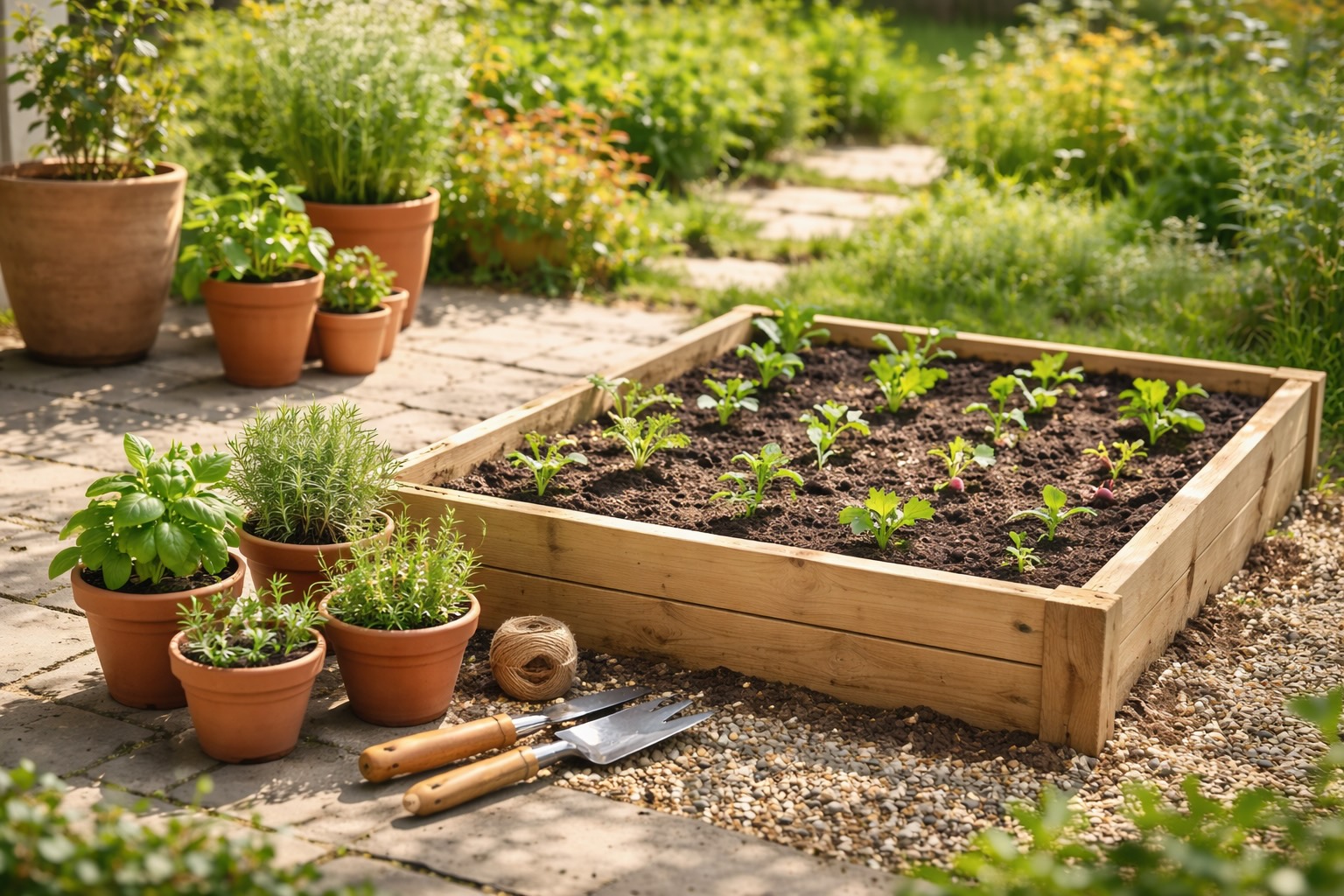
If you have outdoor space — a yard, a patio, even a large balcony — a raised bed is one of the best gardening investments you can make. They warm up quickly in spring, drain well, and you fill them with exactly the soil you want.
A 4×4 foot raised bed is the perfect beginner size — large enough to grow meaningful amounts of food or flowers, small enough to manage easily and reach every corner without stepping inside.
Fill with a mix of topsoil, compost, and potting mix. Plant intensively (closer than the seed packet says) for better yields and less weeding.
Get the Basic Tools Right
You don’t need much. A good trowel, a hand fork, and a watering can handle 90% of container and small bed gardening. Add a pair of gloves that actually fit (cheap ones that are too big are useless) and you’re set.
Buy quality tools once rather than cheap tools repeatedly. A good trowel lasts decades.
Our Top Picks

Raised Garden Bed Kit
Easy to assemble, no tools needed — the best starting point for a first vegetable or flower garden.
🛒 Shop on Amazon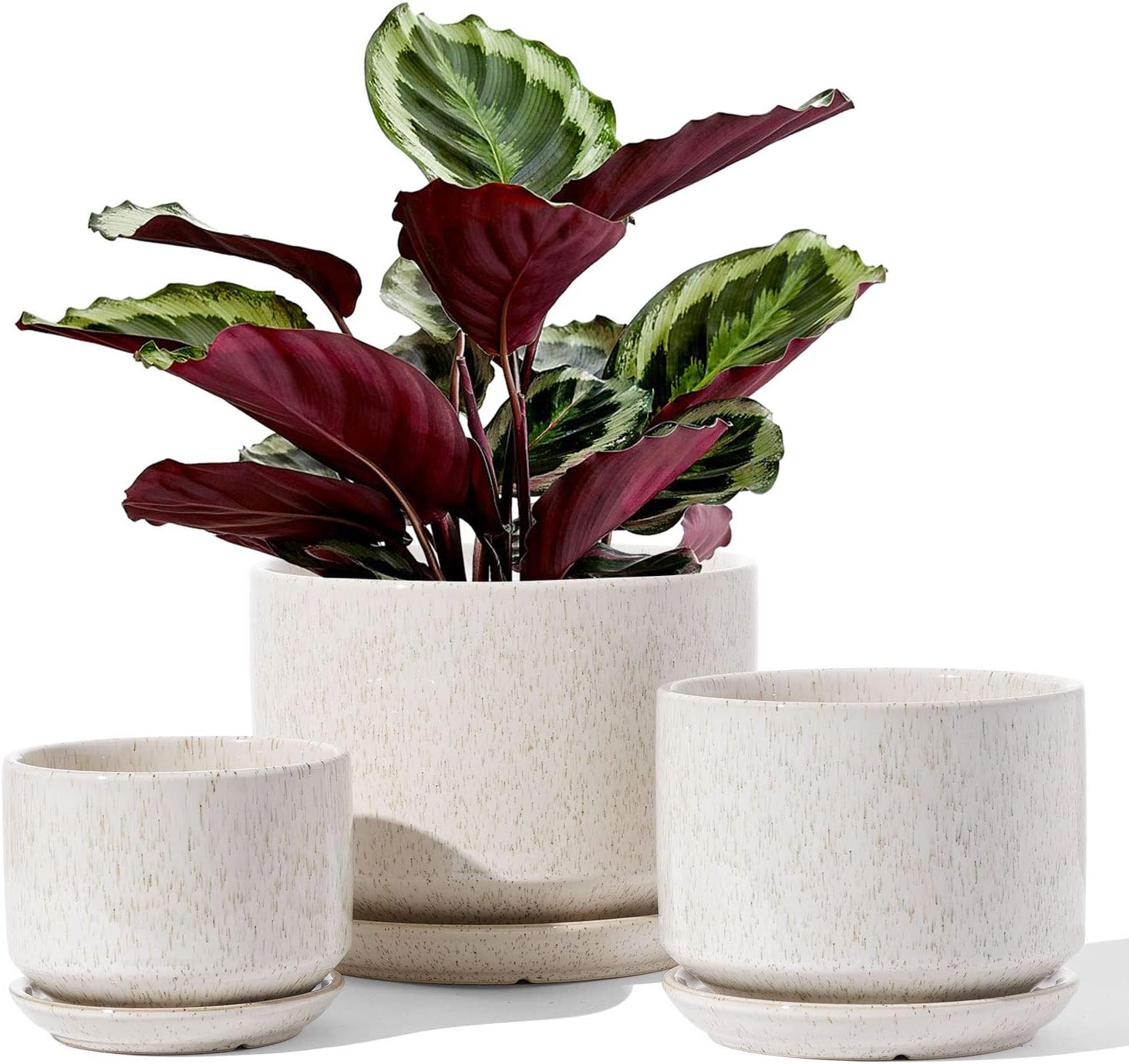
Large Planter Pots (Set of 3)
Lightweight, drainage holes included — perfect for herbs, flowers, or vegetables on a balcony or patio.
🛒 Shop on Amazon
Premium Potting Mix
Good soil is the single most important factor in container gardening. Don't skip on this one.
🛒 Shop on Amazon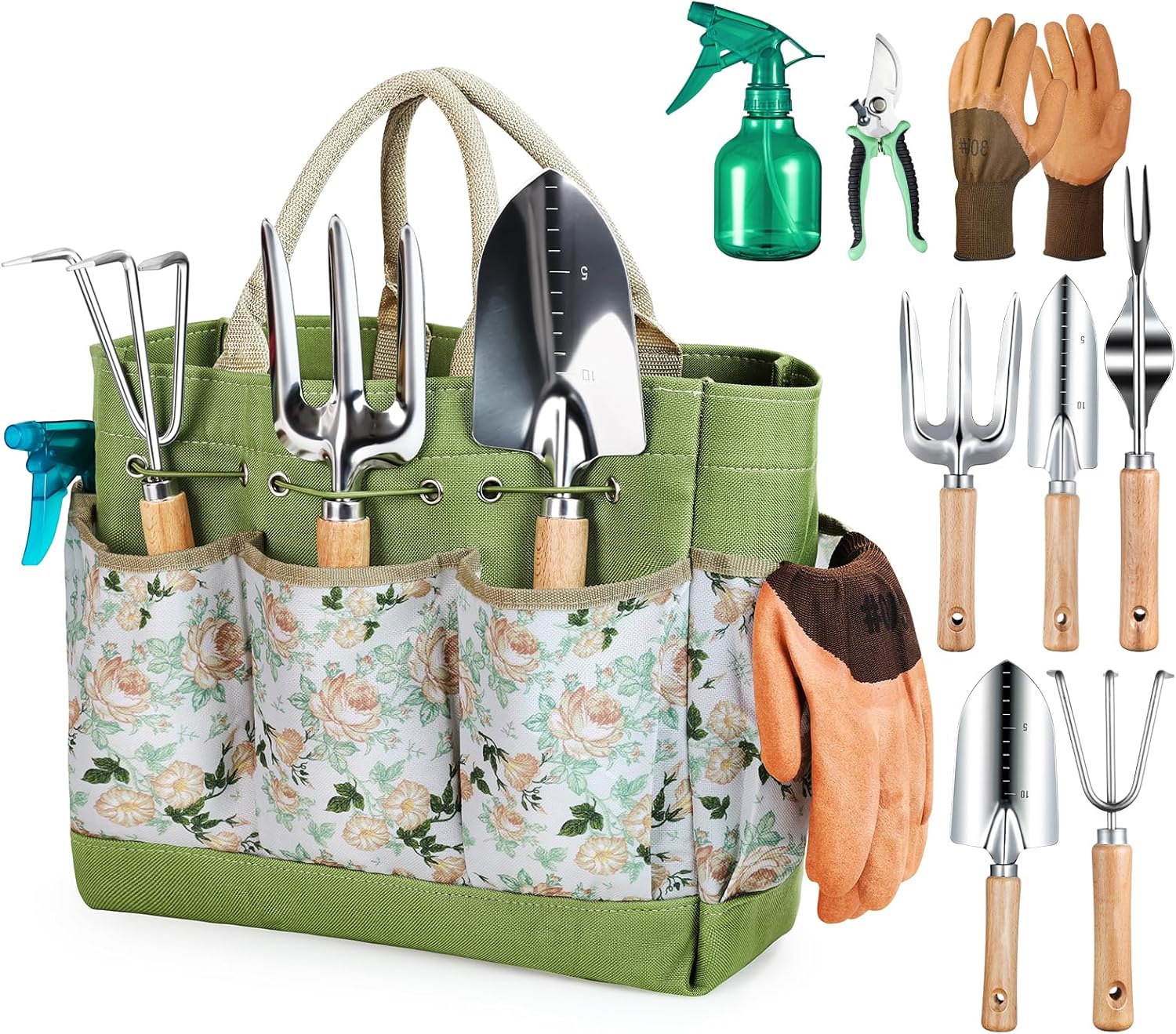
Garden Tool Set
Everything a beginner needs — quality tools that will last years, not one season.
🛒 Shop on Amazon
Spring Seed Variety Pack
A curated mix of easy-to-grow vegetables and flowers — great for beginners who want to try a bit of everything.
🛒 Shop on AmazonFAQ
When should I start planting in spring?
It depends on where you live. The key date is your last frost date — most cool-season plants (lettuce, peas, pansies) can go out 4-6 weeks before that. Warm-season plants (tomatoes, basil, peppers) go out after the last frost. Search “last frost date [your city]” for your specific timing.
Do I need a lot of space to garden?
No — some of the most productive gardens are on small balconies. A few large containers with good soil can grow substantial amounts of herbs, salad greens, and even cherry tomatoes. Vertical growing (trellises, wall planters) multiplies your growing space significantly.
What’s the most common beginner mistake?
Overwatering. More container plants die from too much water than too little. The rule: check the soil an inch below the surface — if it’s still moist, don’t water yet. Only water when that top inch is dry.
How much sun does a vegetable garden need?
Most vegetables need at least 6 hours of direct sun per day. Leafy greens (lettuce, spinach, kale) manage with 3-4 hours. If your outdoor space is mostly shaded, focus on greens and herbs rather than fruiting vegetables.
Is it too late to start if it’s already March or April?
Not at all — it’s actually the right time for many spring crops. Cool-season vegetables like lettuce, peas, and radishes love being planted in March and April. You can also start seeds indoors for warm-season crops and plant out in May.
Your First Week
Pick one thing from this article — one container, one raised bed, one type of seed — and do just that this week. Water it. Watch it. See what happens.
Gardening confidence comes from small successes, not ambitious projects. Start small, pay attention, and let the garden teach you.
Happy growing. 🌱
Tags: